 India
India
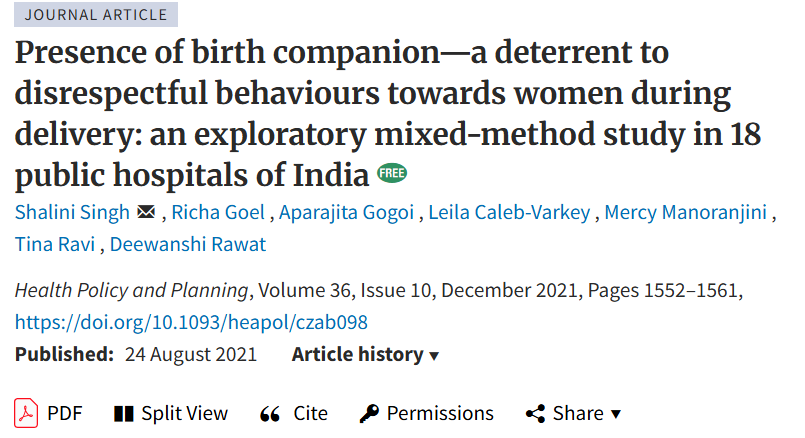
This mixed-method study conducted in 18 tertiary public hospitals across India highlights the limited presence of birth companions during labour and childbirth, with less than half of birthing women observed being accompanied. Despite strong evidence that birth companionship can significantly reduce instances of disrespect and abuse (D&A) and improve maternal experiences, institutional barriers such as lack of policy, overcrowding, space constraints, and privacy concerns hinder its implementation. Healthcare providers widely acknowledged the value of birth companions in offering emotional support and easing their workload. The study suggests that birth companions can be a low-cost, effective strategy to promote RMC.
 India
India
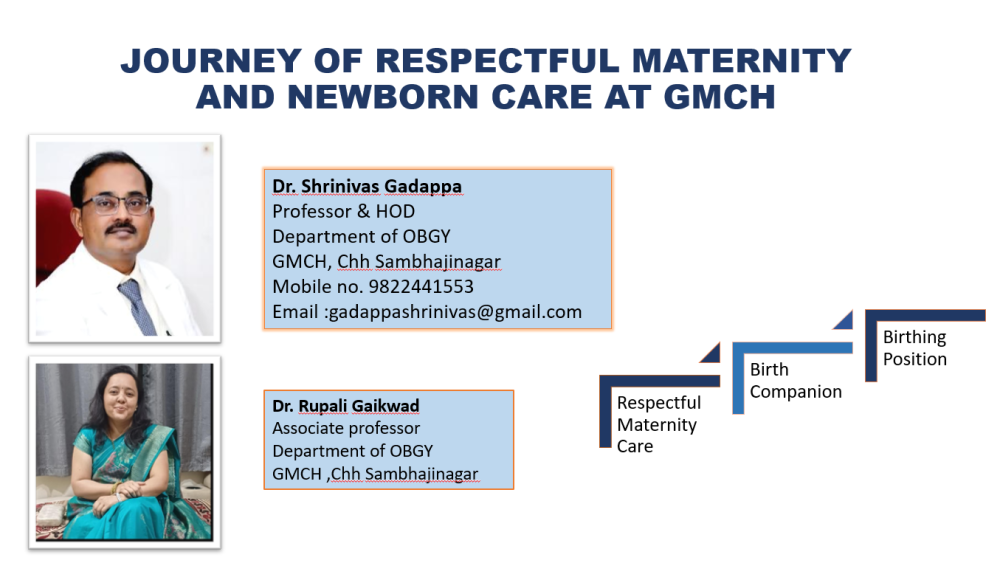
This case study at Government Medical College, Aurangabad presented by Dr. Rupali Gaikwad, Associate Professor, GMCH during the June ARMCC Members' Meeting offers a ground-level view of how Respectful Maternity Care can be institutionalized in resource-constrained, high-pressure settings in the public health system. Drawing from the experience of a public tertiary hospital managing over 19,000 deliveries per year, the presentation covers the Introduction of birth companions, Facilitation of alternate birthing positions and Practical integration of woman-centered care approaches It captures the tangible change possible through committed leadership, small shifts in practice, and staff sensitization—even in highly burdened health systems
 India
India
This presentation by Dr. Siri Yerubandi, Consultant Obstetrician, Fernandez Foundation, India at the June ARMCC Members' Meeting highlights an institutional RMC training model designed and implemented at Fernandez Hospital, Hyderabad. Co-created with C3, the model is built on the principles of dignity, empathy, and institutional ownership, targeting doctors and nurses working in labor wards. It showcases scenario-based learning, reflective group discussions and knowledge assessments The initiative is a practical example of how structured internal efforts can drive shifts in mindsets, communication, and care quality.
 India
India
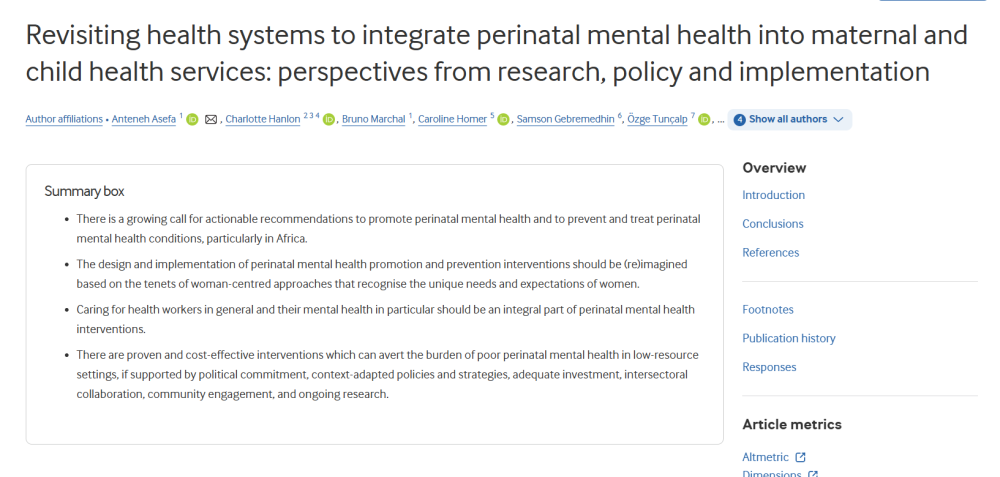
Mistreatment of women during childbirth in health facilities was cited as to play a key role in poor perinatal mental health in this paper. Read More...
 India
India
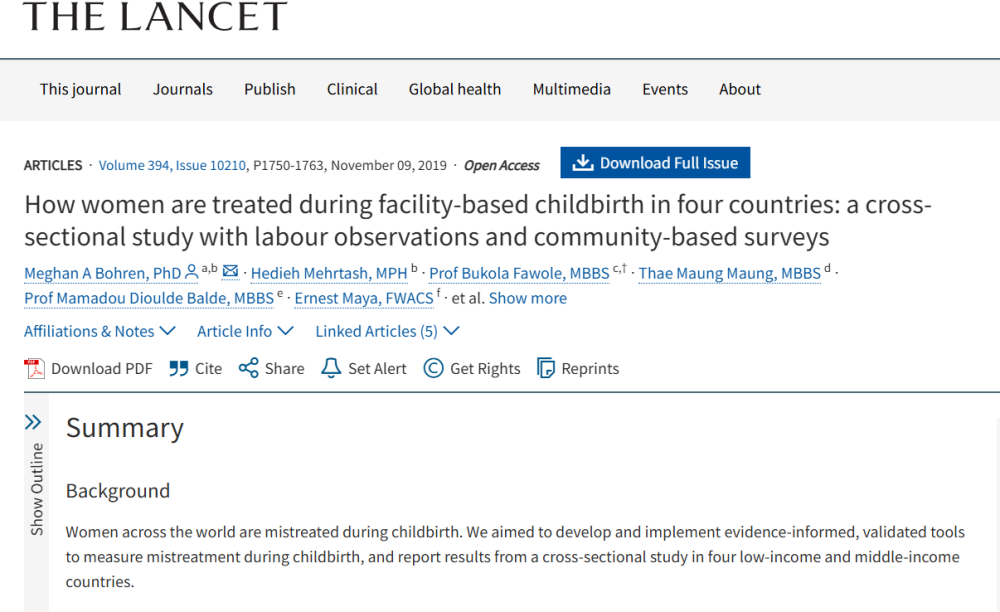
A publication by WHO in 2019 of a four country study of mistreatment in childbirth that added to the global evidence base about validated tools to measure mistreatment during childbirth as well as the frequency of mistreatment during facility-based childbirth in Ghana, Guinea, Myanmar, and Nigeria. Read More...
 India
India
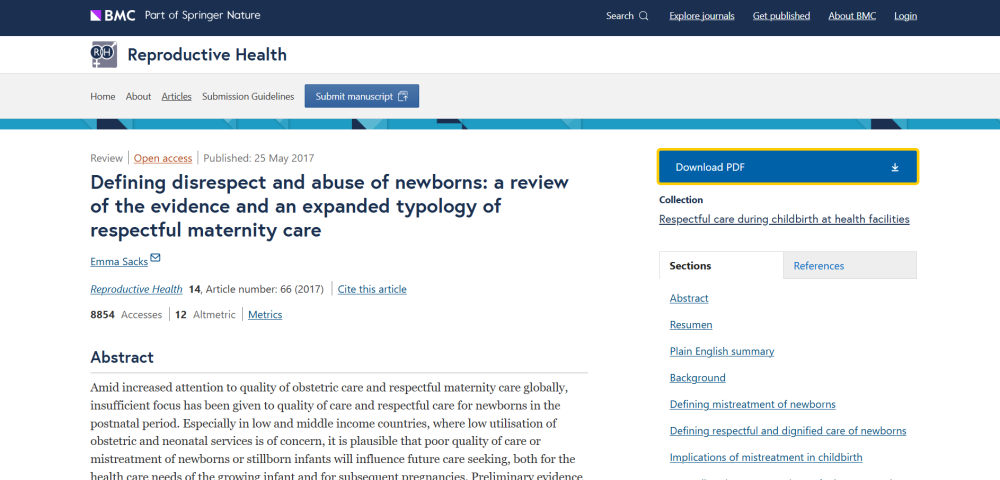
This article seeks to address the gap in evidence on quality of care and respectful care for newborns (and families of stillborn infants) around the time of birth. Starting with the seven categories developed for respectful care for women, the author found newborn evidence for six of the categories. Two new categories were also identified on accountability and bereavement care. Read More...
 India
India
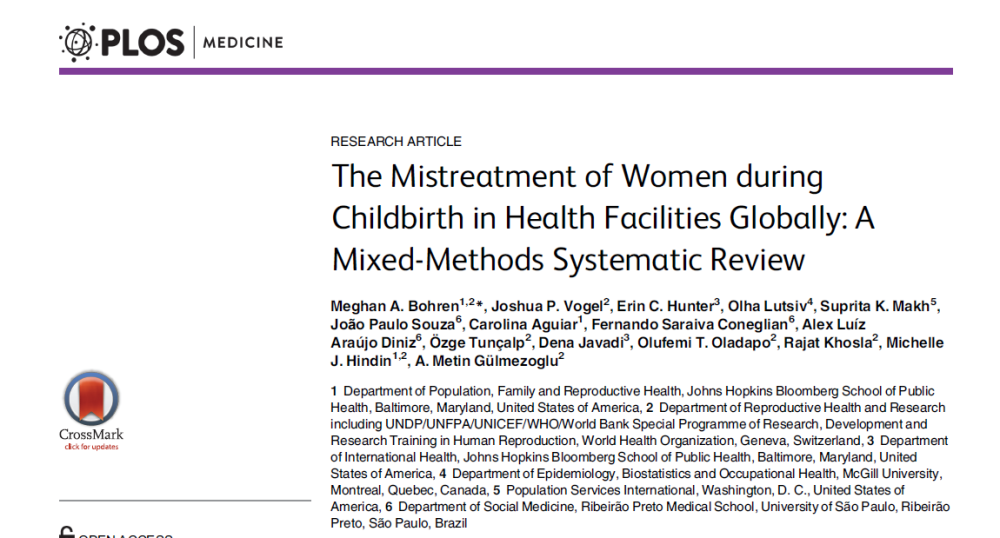
This publication by the World Health Organization (WHO) offers a mixed-methods systematic review of the literature on the mistreatment in childbirth in seven core mistreatment themes. Read More...
 India
India
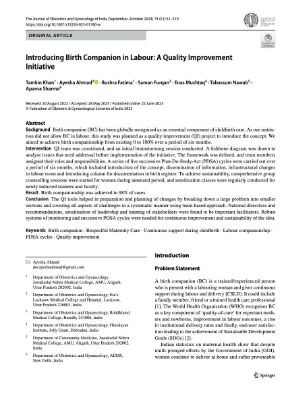
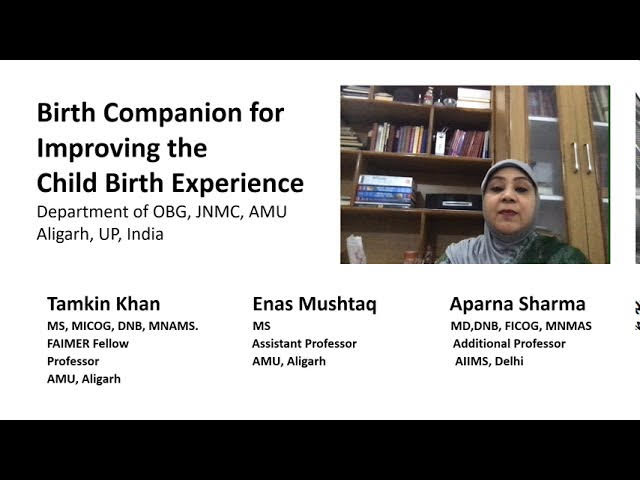
Birth companion (BC) has been globally recognised as an essential component of childbirth care. As our institution did not allow BC in labour, this study was planned as a quality improvement (QI) project to introduce the concept. We aimed to achieve birth companionship from existing 0 to 100% over a period of six months.
 India
India
Introducing Birth Companion in Labor as part of Respectful Maternity Care. it was part of quality improvement project.
 India
India
Mother's Picnic’ innovation was conceptualized in Chhattisgarh under the ‘SUMAN’ initiative. These picnics are planned on the Pradhan Mantri Surakshit Matritva Abhiyan (PMSMA) day when the expectant mothers come to the facility for their ante-natal check-ups. This innovation prepares the mothers and acclimatizes them with the hospital environment before the actual delivery happens and along with a physical tour of the healthcare facility, they are also offered counselling sessions on the health assurances under the SUMAN initiative, Respectful Maternity Care (RMC), and gender equality. It empowers them and they are ready to experience the joys of motherhood without ear and


Access the member dashboard, receive exclusive Respectful Maternity Care insights, and connect with a vast community of changemakers ready to make a difference in maternity care across Asia.
SIGN UP FOR FREE
 Home
Home